

Xpert Konnect is a series brought by DCTS, introducing exclusive insights from leading lawyers, compliance professionals and industry experts across aviation, e-gaming, yachting and other corporate sectors. The aim is to share expert practical guidance to help businesses and individuals stay ahead in an evolving world.
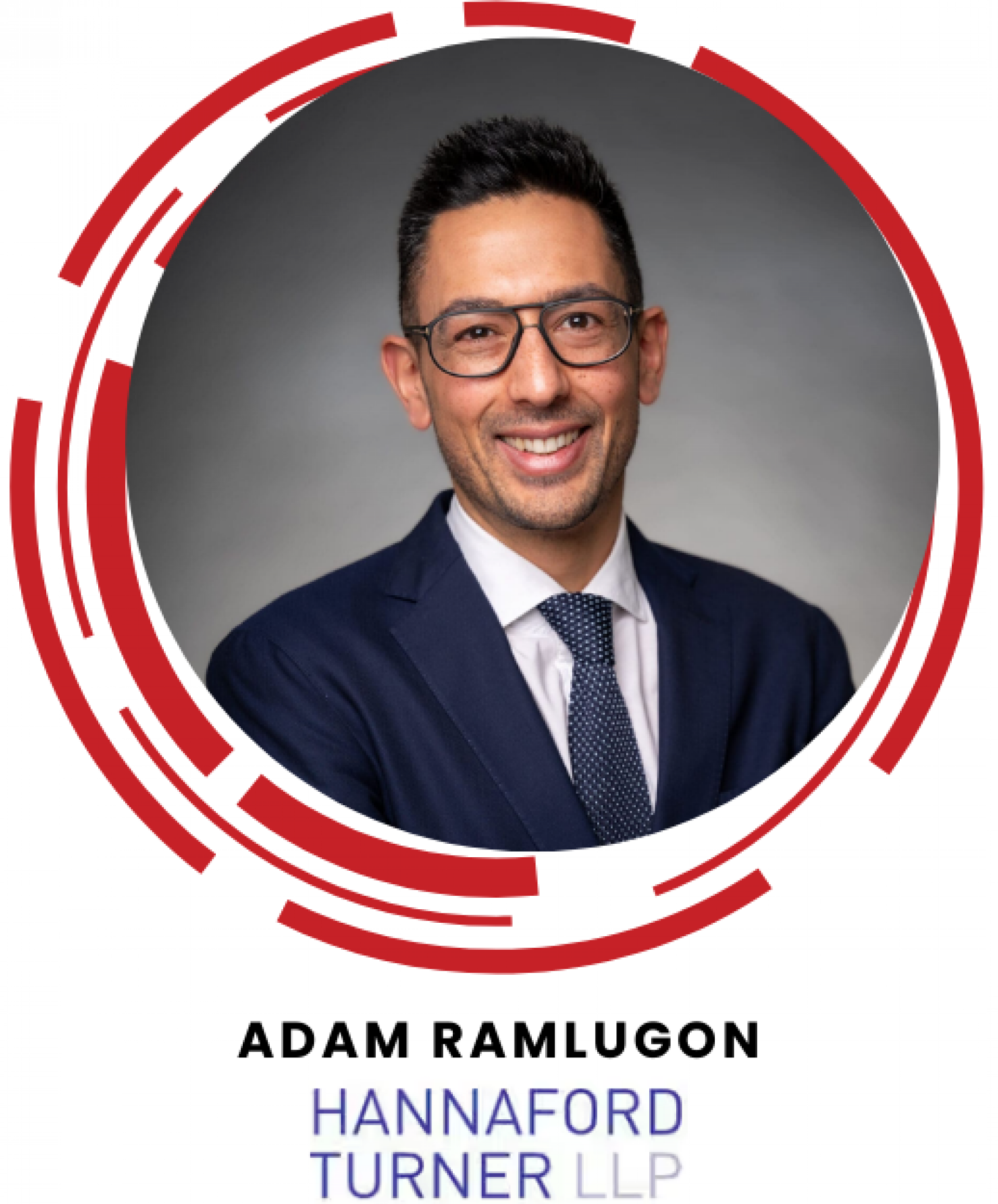
Meet Adam Ramlugon, Partner at Hannaford Turner and a recognised authority in superyacht law, with over 14 years’ experience advising UHNWIs and family offices on yacht construction, ownership, and regulatory matters.
He is ranked in the Chambers High Net Worth Guide as a leader in Yachts and Superyachts and is regularly sought out by global media for his insights into the luxury asset space.
Expert Guidance from Adam Ramlugon | PART 1
In Part 1 of this Xpert Konnect Q&A, Adam shares practical insights into structuring yacht ownership through the Isle of Man, tailored for non-EU individuals and entities.
Q: The Isle of Man continues to attract non-resident individuals and entities seeking to establish yacht-owning companies. What are the key advantages of using the Isle of Man as a jurisdiction for yacht ownership?
A: “The Isle of Man has been one of the key yachting jurisdictions for many years now, owing to an attractive blend of features. In my view, the primary ones are its regulatory stability, tax neutrality and the yacht-specific maritime expertise of both the ship registry and teams at trust and corporate service providers (TCSPs), who really understand the yachting industry and the factors that matter to yacht-owning clients. Another key feature is that the Isle of Man is on the OECD White List, which is increasingly important when handling transactional business for clients.”
Q: What are the primary legal considerations for non-EU nationals and non-EU tax residents looking to own a yacht through an Isle of Man corporate structure?
A: “It all starts with the client’s objectives for the use and operation of their yacht (or, in some cases, fleet!).
Key questions will include the planned cruising itinerary and, critically, whether the yacht will operate on a purely private or commercial basis. For example, following the UK’s departure from the EU customs area, yachts owned by IOM companies are eligible to operate in the EU under the well-known Temporary Admission regime (more about it in the second part of the series). It is remarkable how many yacht owners and buyers seem to prioritize the tax treatment their yacht will be subject to over their intended use (i.e. operating on a commercial basis for third-party charter) when in reality they wish to operate on a purely private basis. That said, the IOM registry’s recent announcement of its own Yachts Engaged in Trade (YET) regime may offer a half-way house for owners that might like the option of carrying out occasional charters within the confines of that regime and the applicable local fiscal rules.”
Expert Guidance from Adam Ramlugon | PART 2
In part 2 of this Xpert Konnect Q&A, Adam explains how Isle of Man corporate structures offer liability protection and operational confidence for yacht owners, and outlines how the EU’s Temporary Admission regime enables VAT-free access to EU waters for non-EU owned yachts.
Q: From a liability perspective, what are the advantages of owning a yacht through an Isle of Man corporate structure?
A: “In addition to the usual limitation of liability that comes with the limited company structure, there is a favourable corporation tax regime (0% standard rate). More importantly, from an operational perspective, the Isle of Man’s superyacht services market, whether in the field of corporate services, tax or yacht management, is mature and sophisticated. You can generally be sure that, for example, the company directors entrusted with managing the affairs of your IOM structure are on top of the regulatory regime and also have practical and useful experience when it comes to yacht construction, management, and ownership issues.”
Q: Can you explain the EU’s Temporary Admission regime and how it applies to yachts owned by Isle of Man corporate structures?
A: “As mentioned in Part 1 of the series, the Temporary Admission or “TA” regime essentially permits certain “non-EU” assets, such as yachts, to enter EU waters (and thereby the EU customs zone) without a customs duty (in the form of import VAT) being levied on them, provided that they do not carry out any commercial activity (i.e. third-party charter).
By “non-EU” assets, what I mean in this context are yachts that are not flagged, owned, or used by entities or persons that are deemed “established” within the EU’s customs territory. This is generally interpreted to mean that the ultimate beneficial owner (i.e. the user) of the yacht must not be established within Europe (although this can be a complicated question to answer if they hold multiple passports and spend time at various residences both in and outside the EU). It is much simpler to satisfy these requirements in the case of the company that holds legal title in the yacht. As it is now outside the EU customs area, yachts that are held by IOM companies are eligible to utilise the TA regime. Additionally, as you might expect, it follows that the IOM ship registry is an eligible flag.”
Expert Guidance from Adam Ramlugon | PART 3
In Part 3 of our Xpert Konnect Q&A Adam explores:
• Why choosing a CSP with yachting experience is critical
• How US clients are increasingly turning to the Isle of Man as a gateway to Europe
• Adam’s top 3 tips for non-EU yacht buyers-from structuring to tax advice
Q: What aspects should prospective yacht owners consider when selecting a corporate and trust services provider in the Isle of Man?
A: “It should be noted that not all IOM trust and corporate services providers (TCSPs) are yacht specialists. Some are specialists in areas such as real estate, funds or e-gaming, for example. It is critical that the owner selects a TCSP with yachting expertise.
Trusted TCSPs in the Isle of Man can also support yacht owners who choose to establish their structures in jurisdictions such as the Marshall Islands, the British Virgin Islands, or the Cayman Islands, by assisting with setup and ongoing administration.”
Q: What trends are you seeing in yacht ownership – particularly among US clients – in the current political climate? How can the Isle of Man support these clients?
A: “For historical and geographical reasons, the UK is still viewed as something of a “gateway” into Europe by US clients, and this applies to the IOM by extension. We have certainly seen a further increase in the number of US-based clients opting to both build and operate yachts in Europe, and for those in particular who wish to use their yacht privately, the Isle of Man represents an ideal location to set up a holding company for Temporary Admission (TA) purposes. Additionally, the IOM ship registry is part of the highly respected Red Ensign Group, which is widely recognized as a leader in the field of yachting safety and innovation.”
Q: What three key pieces of advice would you offer to a non-EU national and non-EU tax resident considering yacht acquisition via an Isle of Man corporate structure?
A: “Hopefully, we have already covered this off in the previous questions across all three parts of the series! That said, a 3-point advisory summary might look as follows:
- Make sure your operational profile dictates your chosen tax or fiscal structure. In other words, make sure the tail does not wag the dog.
- Carry out some due diligence on a few TCSPs and pick one that has top level yachting experience.
- Take tax advice to make sure that your own personal tax position is not compromised by any aspect of the proposed structure.”
The Isle of Man presents an ideal environment for yacht ownership, combining regulatory stability, tax neutrality, and maritime expertise, with the EU’s Temporary Admission regime allowing VAT-free access to EU waters for privately used, non-EU owned yachts. Success hinges on choosing a CSP with strong yachting experience and structuring ownership correctly to ensure liability protection – especially as interest grows among US clients, guided by Adam’s expert tips.