

Xpert Konnect is a series brought by DCTS, introducing exclusive insights from leading lawyers, compliance professionals and industry experts across aviation, e-gaming, yachting and other corporate sectors. The aim is to share expert practical guidance to help businesses and individuals stay ahead in an evolving world.
As a TCSP, DCTS often sees how small drafting choices can have long‑term operational impact. In this edition, John Rimmer explores when “child” may (or may not) mean what a settlor assumes – particularly in cases involving adoption, assisted conception and surrogacy, and where cross‑border rules differ.
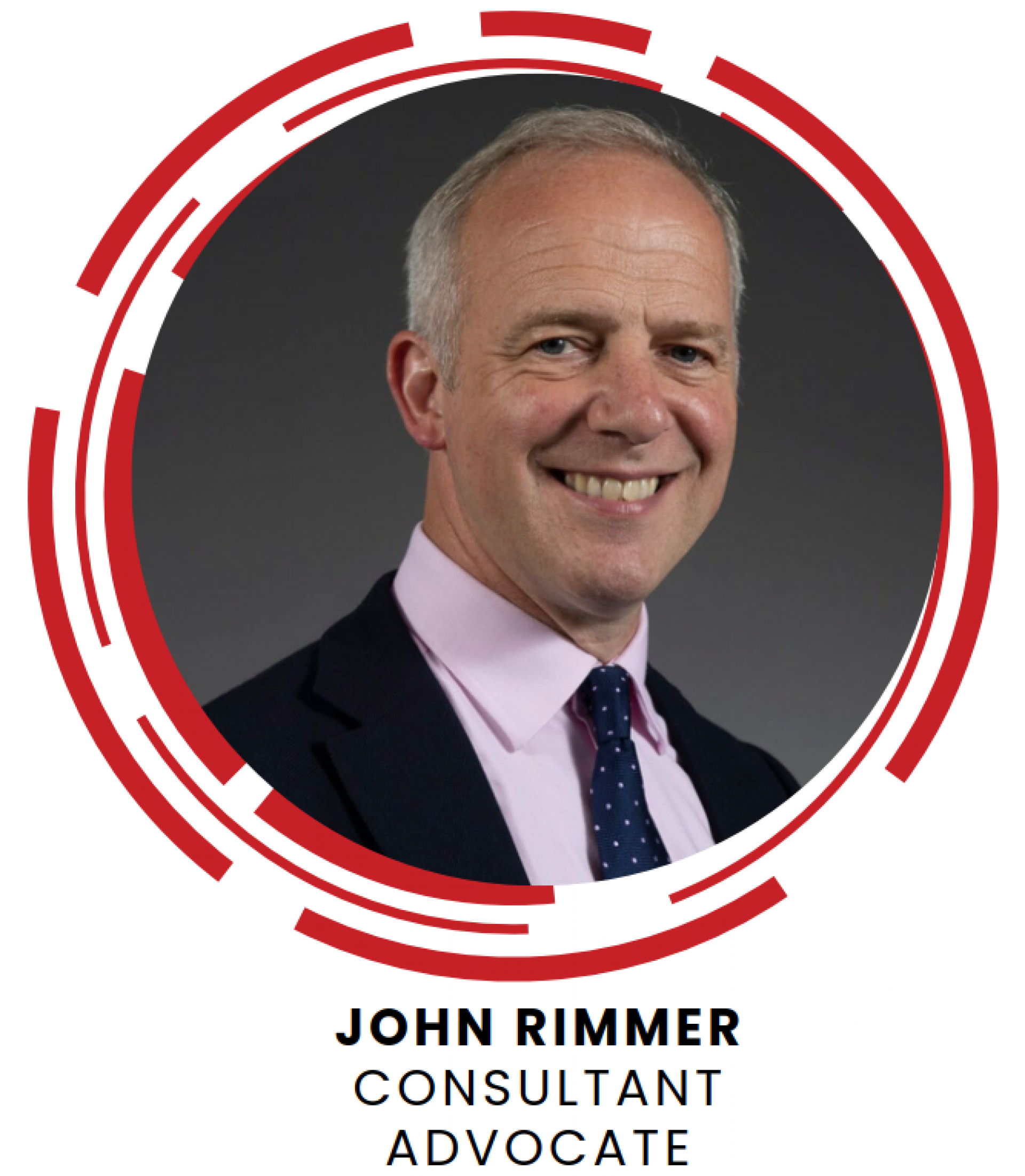
John is an Isle of Man-based trusts and private client specialist, advising on trust structures, estate planning and fiduciary matters. He works closely with trustees and corporate service providers, helping to navigate complex drafting and beneficiary considerations in modern trust arrangements.
How would you feel if you were told that one of your children was not legally yours? Or if someone else – perhaps unknown to you – was treated as your child?
This may sound fanciful, but is it?
Marcus v Marcus [2025] EWHC 1695 (Ch): A man created a trust for his children. Sadly, he fell ill and died. One of his two sons discovered that (unknown to the man) the other son (Edward) was conceived when the man’s wife had become pregnant by another man entirely. Did Edward nevertheless fall within the meaning of the settlor’s child? The court decided that (on the face of the trust deed) the man did not intend that his “children” should only include his own biological children: he believed that the young man in question was one of his children when he made the trust. He could have changed this had it concerned him, through simple drafting alterations.
Cator v Thynn [2026] EWHC 209 (Ch): A question has arisen as to whether a child born to the Marquess and Marchioness of Bath, in California, using surrogacy, would be treated as their child for the purpose of deciding whether he fell within the class of beneficiaries under existing trusts (the rules of Peerage have so far followed traditional bases of succession, and not modernised ones that have been introduced to address inheritance of property).
Historically, this question – who is my child? – arose only in limited circumstances.
DNA footprinting changed everything – proving who the biological parents are is not necessarily the end of the story.
The issue seems to arise in several situations:
- CONCEPTION IN SECRET (e.g., through a secret affair)
- ADOPTION
- ASSISTED CONCEPTION (especially where genetic material is sourced from donors)
- ILLEGITIMACY (birth outside marriage)
- LEGITIMATION (birth to unmarried individuals who subsequently marry)
- REGISTRATION of births, naming (or omitting) individuals as “parents”
None of these situations fits the traditional model of a man and a woman who marry, conceive, and bear children. Each situation has rules that determine whether a person will be treated as the child (or parent) of another. It was around the traditional model that the standard assumptions were built; in the above situations, the law has been modified so as to change what the traditional position was.
The position is complicated even further where the status of one individual as the parent of another might vary between different countries, or within the same country over time. For example:
- An illegitimate child born now might be treated as the lawful child of an individual when they might not have been treated as such had the child been born, say, 50 years ago;
- A person recognised as the child of another under, say, English law, even though they were born as the result of in vitro fertilisation, might not be recognised as a child of that other person in another country.
A Strategic Approach to Planning
When planning personal and financial affairs, therefore, it is important to understand the effects of the rules.
- Carefully establish the beneficiary classes: whom we would wish to include, and those we would not.
- Engage with probing questions: a client should not be surprised or concerned when questions such as whether your children might be treated differently because they might not fit within the assumed, traditional model arise.
An understanding of the rules, and careful drafting of legal documents, can generally address the issues.
So let us think, would I want to include as a beneficiary one who was not my legitimate, biological child, or would I want to leave them out?
I addressed these issues in a recent article (“Who Then is my Child?”, published in Trusts and Trustees, Oxford University Press, 2026).
The message is practical: ask the right questions early, and draft with precision to protect the family’s intent.